
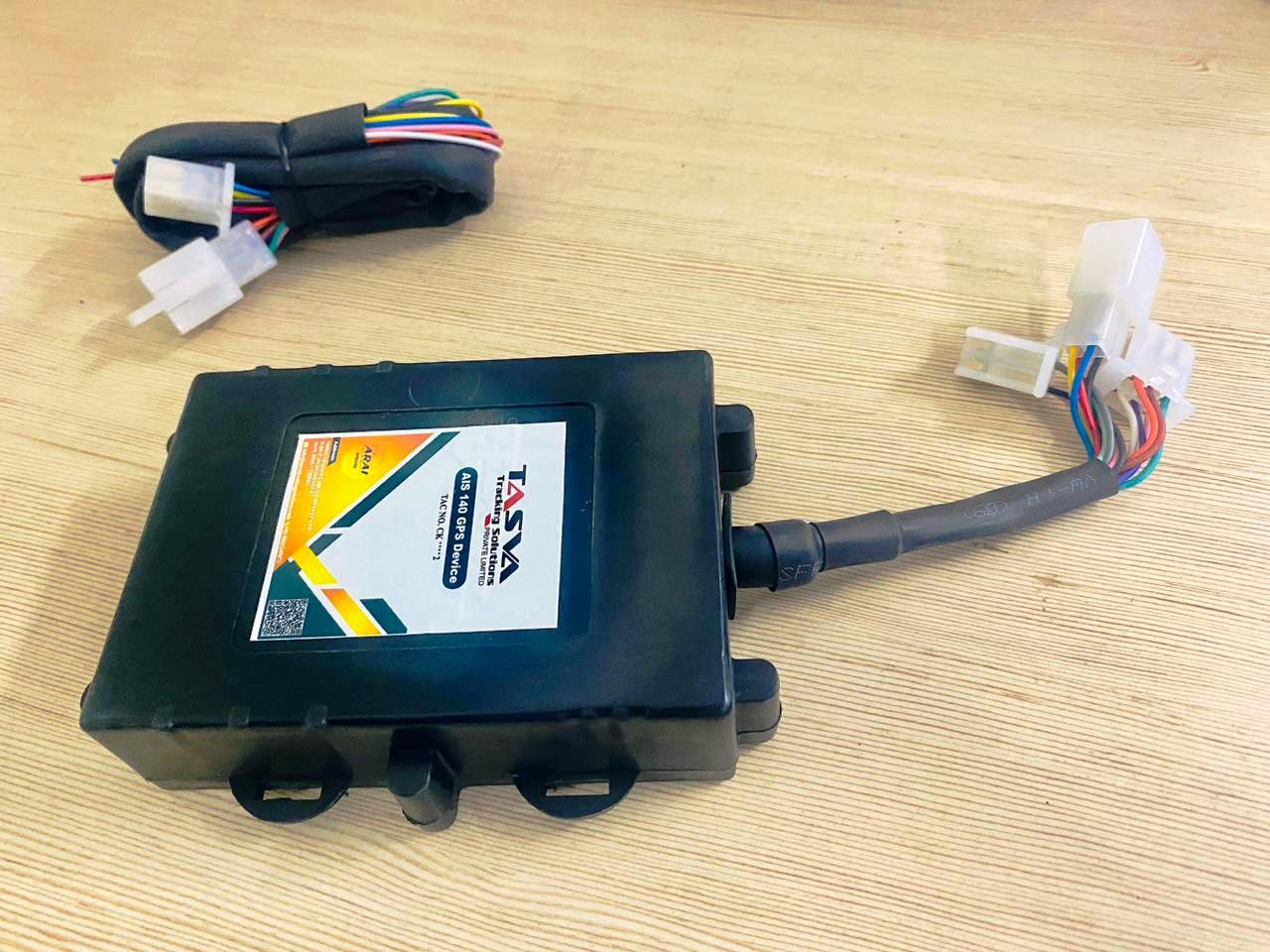
As of my last update in September 2021, AIS 140 (Automotive Industry Standard 140) is an Indian government-mandated standard for GPS devices used in commercial vehicles. These devices are meant to enhance the safety and efficiency of public transportation systems. Below are some common features you would typically find in an AIS 140 compliant GPS device:
1. Real-time GPS tracking: The device provides accurate and real-time location tracking of the vehicle, allowing fleet managers and authorities to monitor the vehicle's movement.
2. Emergency button: There is an emergency button that drivers can press in case of any distress situation. When activated, it sends an immediate alert to a predefined emergency contact number or control center.
3. Emergency button: There is an emergency button that drivers can press in case of any distress situation. When activated, it sends an immediate alert to a predefined emergency contact number or control center.
4. Speed monitoring: The device can monitor the vehicle's speed, and if it exceeds predefined speed limits, it can trigger alerts to the control center.
5. Geo-fencing: This feature allows operators to set up virtual boundaries or geo-fences for the vehicle. If the vehicle enters or exits these predefined areas, it triggers an alert.

Wire Configuration: Wiring harnesses are constructed with multiple wires of different colors, gauges, and lengths, each specifically designated for a particular purpose and connection within the system.
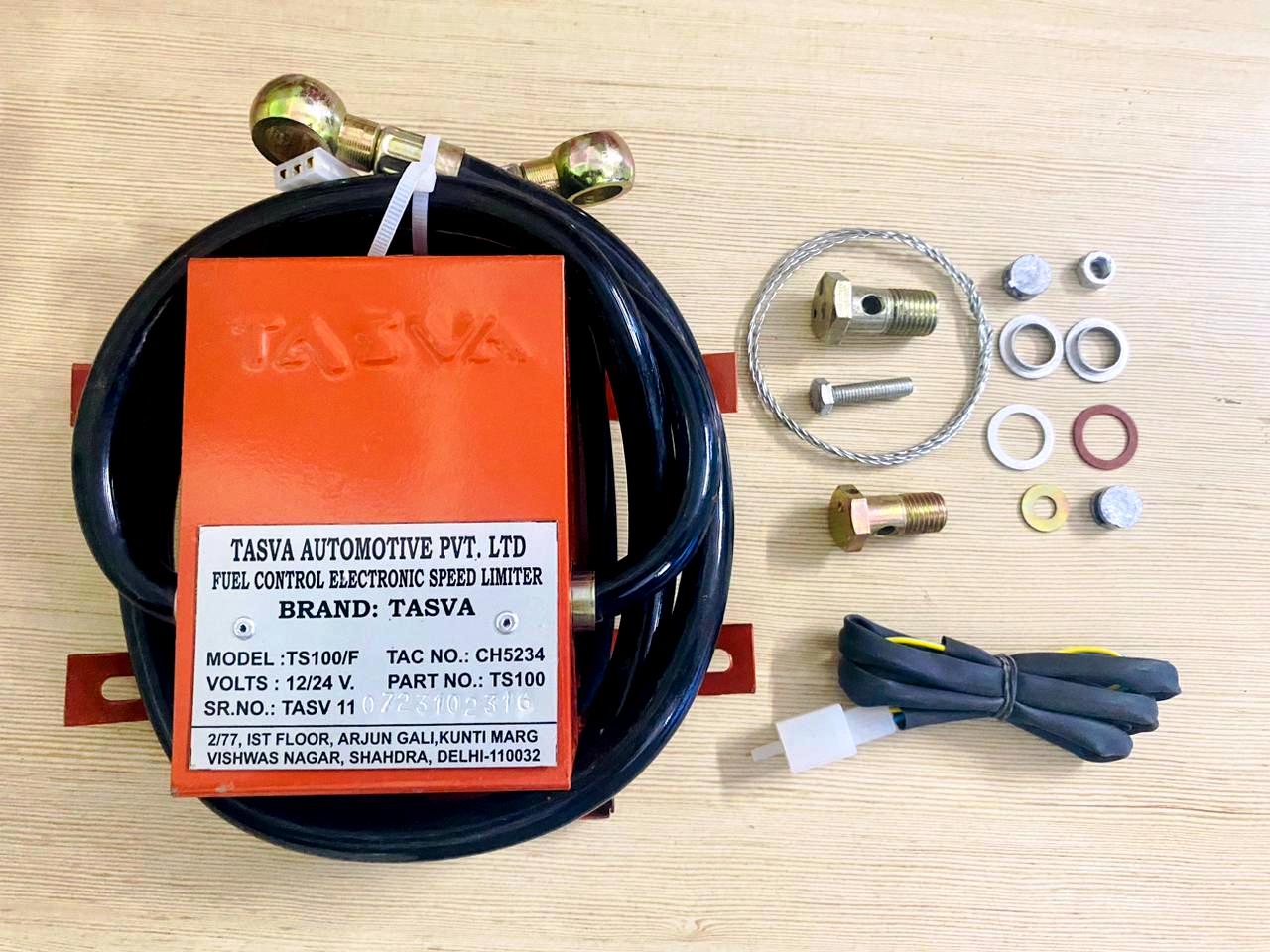
Speed Limit Setting: The primary function of a Speed Governor is to set a maximum speed limit for the vehicle. The limit can usually be configured according to local regulations or specific requirements of the vehicle fleet.

Get answers and advice from people you want it from.